


Key Takeaways
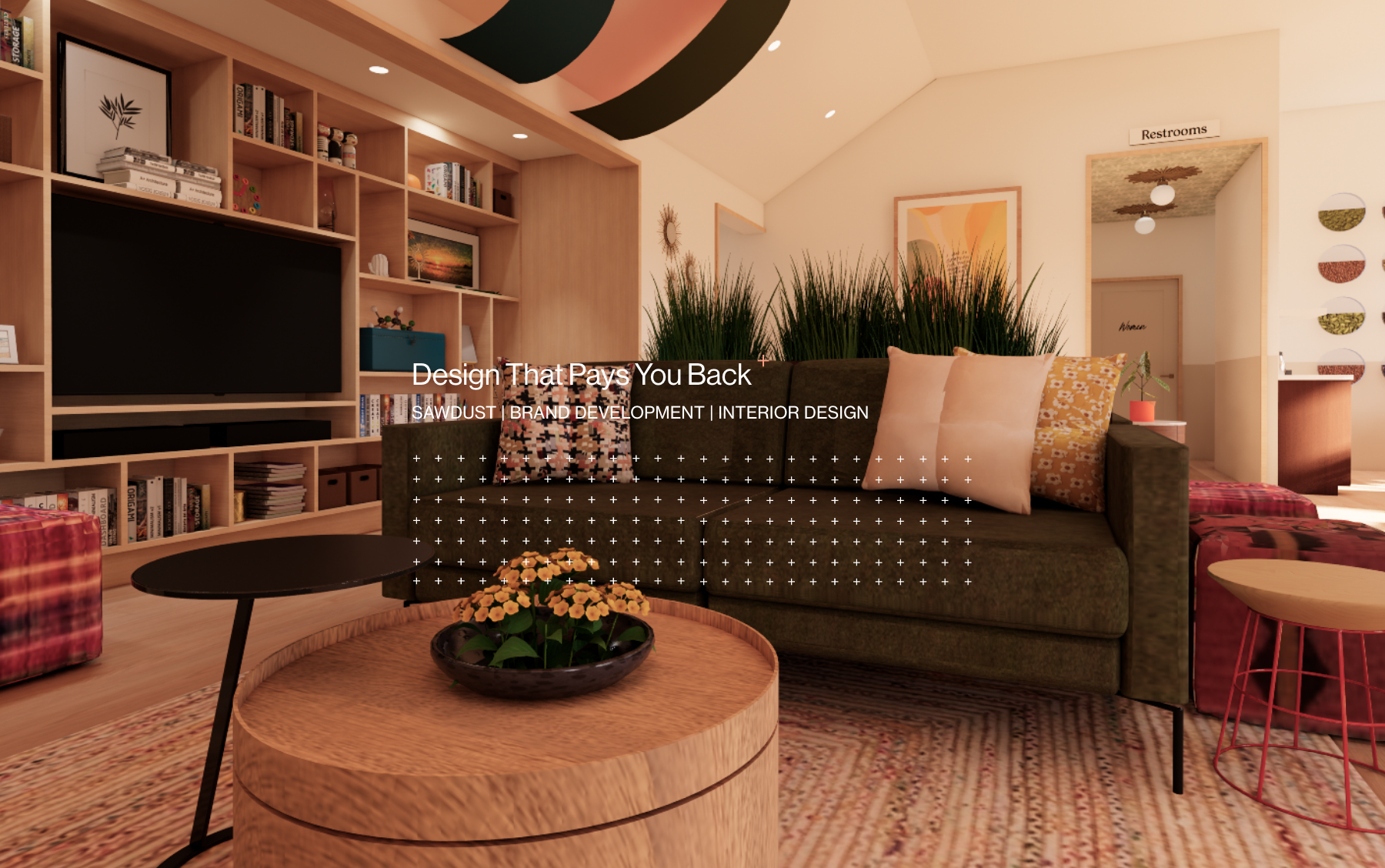
- - An interior in-line with your business’s brand maintains a clear and consistent message that creates instant recognition for your clients.
- - A well designed space provides endless built-in marketing material.
- - Properly designing your space will not only improve client experience but also enhance your business’s day to day efficiency.
Think your space doesn’t impact your bottom line? Think again.
Your interior is one of the first things clients experience. They feel it when they walk in, remember it when they leave, and talk about it afterward.
Done right, your space isn’t just beautiful- it’s strategic. It becomes part of your brand, your marketing, and your growth.
1. Brand to Interior Consistency
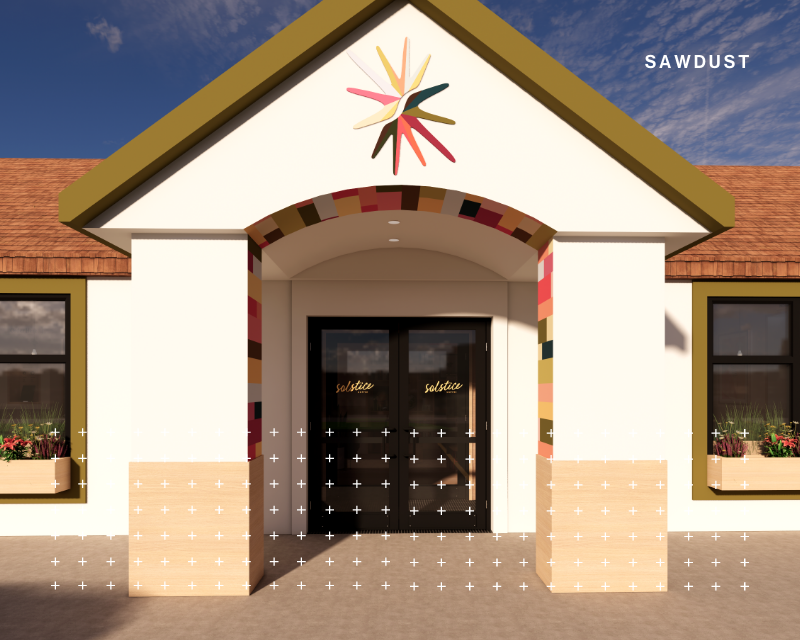
When your environment aligns with your brand, it becomes more than a pretty backdrop. It becomes an asset. It elevates your client experience, communicates a clear and consistent message, and defines your positioning in the market. Opting out of a brand focused interior design means that as soon as clients walk through your doors, your brand and its messaging goes out the window.
2. Built-In Marketing
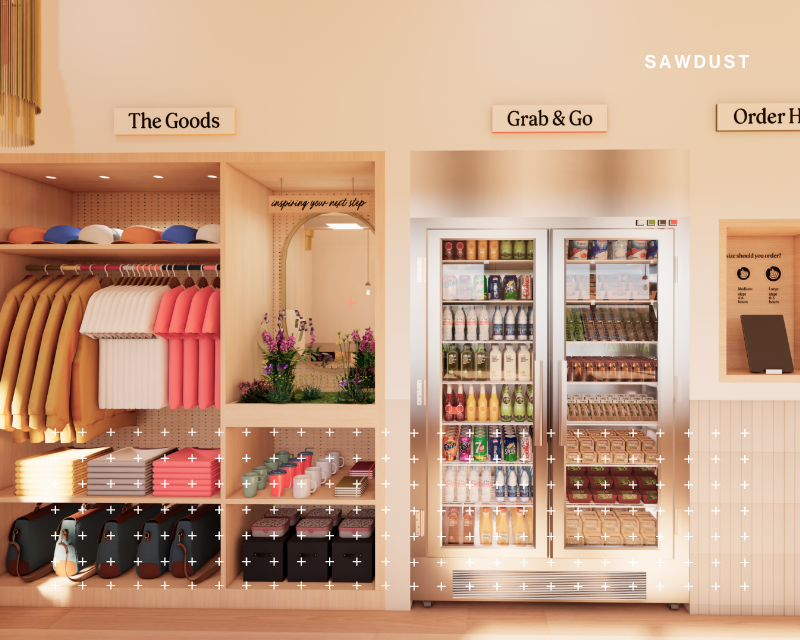
Your space doesn’t simply live in the here and now, it also lives on social media and the web. Because of the power of social media, your business’ interior must look great on camera, too. Without the proper lighting, proportions, or graphics, spaces are liable to fall flat. And don’t forget about the need for instagrammable moments! Today, a single selfie or TikTok can put a business on the map. Instead of those posts featuring the same tired accent walls you see everywhere, your space should stand apart with something worth capturing, sharing, and talking about.
3. Value of Improved User Experience
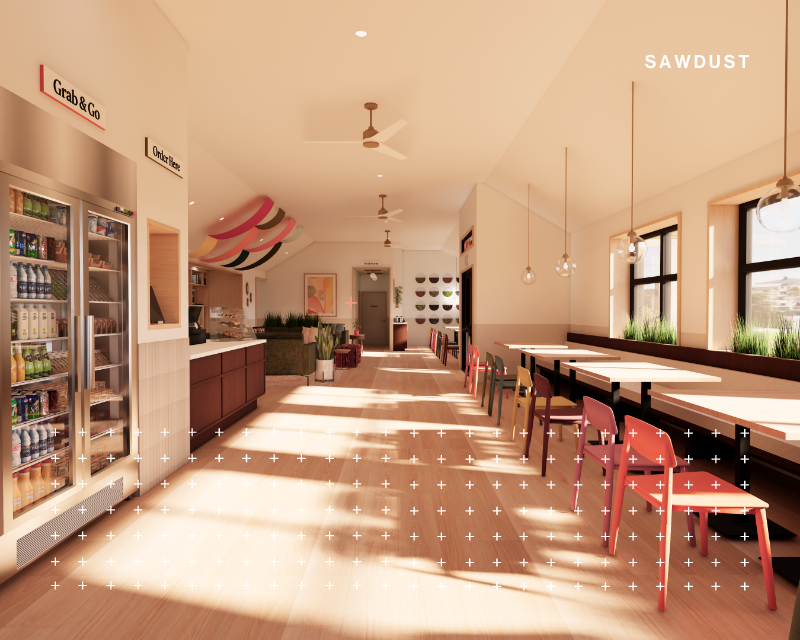
A well thought out space not only improves the client experience- it directly enhances how your business operates. In hospitality environments, flow is everything. When a space is planned with intention, staff move more efficiently, service feels effortless, and orders get to the table faster. In retail, it’s how customers navigate a space and discover products. In office environments, it’s how teams collaborate, focus, and move between tasks. In any setting, a poorly planned layout drains time and energy. A well-designed one gives it back.
Final Thoughts
A space that feels disconnected, outdated, or simply “fine” can quietly work against you. The most successful businesses understand that design is not an afterthought or something to be taken for granted. It’s part of the strategy. Design isn’t just about how a space looks. It’s about how it performs. And when it performs well, your business does too. So the question is: is your space performing… or just existing?
